
This post may contain affiliate links, which means if you enroll through my link, I’ll receive a small commission at no extra cost to you.
What’s really happening to ACA premiums in 2027?
ACA Marketplace premiums are set to rise again in 2027, by about 15% on average before subsidies. That’s the second double-digit increase in a row, coming right after a roughly 20% jump for 2026.
Stacked together, those two years mean typical Marketplace premiums will be up by more than a third since 2025. Before 2026, premiums in this market had barely moved for most of a decade.
As of mid-October, about half the states have finalized their 2027 rates. The rest are still insurer proposals. Increases range from about 3% in Vermont to 29% proposed in Arizona.
One quick note before we dig in: everything below is about rate changes and why they’re happening. I’m not a licensed insurance agent, so I can’t advise you on which insurance plan to pick. For that, talk with a licensed agent in your state or use HealthCare.gov.
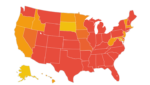
State-by-State: 2027 Premium Changes
Hover or tap a state to see its 2027 change and whether the rate is final (approved by the state) or still proposed. Data as of October 13, 2026.
This is the data for the interactive map. Figures are enrollment-weighted average changes in full-price (unsubsidized) individual market premiums. “Final” means the state regulator has approved the rates; “Proposed” means insurers’ requests are still under review.
| State | 2027 avg. change | Status |
|---|---|---|
| Alabama | 25.0% | Final |
| Alaska | 22.9% | Proposed |
| Arizona | 29.0% | Proposed |
| Arkansas | 7.6% | Proposed |
| California | 9.9% | Proposed |
| Colorado | 10.0% | Final |
| Connecticut | 11.2% | Final |
| Delaware | 16.5% | Final |
| District of Columbia | 9.9% | Final |
| Florida | 15.9% | Proposed |
| Georgia | 20.7% | Final |
| Hawaii | 11.1% | Final |
| Idaho | 12.0% | Final |
| Illinois | 14.1% | Proposed |
| Indiana | 17.5% | Final |
| Iowa | 5.7% | Final |
| Kansas | 24.2% | Proposed |
| Kentucky | 18.7% | Proposed |
| Louisiana | 18.1% | Final |
| Maine | 14.8% | Final |
| Maryland | 14.6% | Final |
| Massachusetts | 10.8% | Final |
| Michigan | 14.5% | Final |
| Minnesota | 17.7% | Final |
| Mississippi | 21.8% | Proposed |
| Missouri | 12.5% | Proposed |
| Montana | 22.6% | Final |
| Nebraska | 13.3% | Proposed |
| Nevada | 18.8% | Final |
| New Hampshire | 18.4% | Proposed |
| New Jersey | 20.4% | Proposed |
| New Mexico | 24.4% | Final |
| New York | 6.0% | Final |
| North Carolina | 14.9% | Proposed |
| North Dakota | 17.1% | Final |
| Ohio | 10.7% | Proposed |
| Oklahoma | 20.2% | Proposed |
| Oregon | 21.6% | Final |
| Pennsylvania | 16.0% | Final |
| Rhode Island | 12.4% | Final |
| South Carolina | 16.6% | Proposed |
| South Dakota | 10.4% | Final |
| Tennessee | 12.7% | Proposed |
| Texas | 13.1% | Proposed |
| Utah | 6.7% | Final |
| Vermont | 3.0% | Final |
| Virginia | 15.8% | Final |
| Washington | 22.2% | Final |
| West Virginia | 18.3% | Proposed |
| Wisconsin | 21.1% | Proposed |
| Wyoming | 11.3% | Proposed |
Data as of October 13, 2026, from healthinsurance.org’s 2027 rate tracker (updated Sep. 25) and ACA Signups. A few states (including Florida, Hawaii and some marked semi-weighted by the source) use partial enrollment data.
Quick takeaways
- Biggest increases: Arizona (29%, proposed), Alabama (25%), New Mexico (24.4%), Kansas (24.2%, proposed), Alaska (22.9%, proposed), Montana (22.6%) and Washington (22.2%).
- Smallest increases: Vermont (3%), Iowa (5.7%), New York (6%), Utah (6.7%) and Arkansas (7.6%, proposed).
- Regulators matter. New York’s insurers asked for an average 20.6% increase, and the state approved 6%. In Oregon it went the other way: the approved average (21.6%) came in higher than what insurers originally filed.
- Two-year sticker shock. Even in states with a moderate 2027 number, many people are paying far more than they did in 2025, because this increase stacks on top of last year’s.
Why premiums are going up
Insurers have to explain their requested increases in their rate filings. These are their stated reasons, not mine.
- Medical costs are rising faster than before. The typical assumed growth in medical and prescription costs for 2027 is 10%, up from about 8% in recent years. Hospital, physician and outpatient prices all continue to climb.
- Pricier claims. Several insurers say claims are being billed at higher, more expensive levels of care, whether from sicker patients or changes in how providers code their bills.
- GLP-1 drugs and specialty medications. Use of drugs like Ozempic and Wegovy keeps growing. Some insurers have dropped coverage for weight loss to hold costs down, while others still expect GLP-1 spending to push premiums up.
- Labor and general inflation. Hospitals facing staffing shortages and higher wages are negotiating bigger payments from insurers, and that flows into premiums.
- A smaller, sicker risk pool. The enhanced premium tax credits expired at the end of 2025, and healthier people were more likely to drop coverage. Insurers estimate this added roughly 4 percentage points to 2026 premiums and expect about another 4 points in 2027.
- Federal policy changes. Some filings point to new enrollment and eligibility rules, though several key parts of those rules have since been blocked in court.
Some insurers are also leaving the Marketplace at the end of 2026, so several hundred thousand people will need to pick a new plan for 2027.
Who actually pays the full increase?
The percentages above are full-price premiums. Most Marketplace enrollees (87% in 2026) get a premium subsidy, and those subsidies are tied to the cost of a benchmark Silver plan, so they generally rise as premiums rise.
The people who feel the full increase are those who don’t qualify for a subsidy. Since the enhanced tax credits expired, the “subsidy cliff” is back: if household income is above 400% of the federal poverty level, there’s no subsidy at all. For 2027 coverage, that cutoff is about $63,840 for a single person and $132,000 for a family of four (continental U.S.).
That’s a lot of self-employed people and small business owners. For someone paying full price, the average unsubsidized premium is expected to go from about $741 a month in 2026 to roughly $854 a month in 2027. That’s over $1,300 more per person per year, for the same kind of plan.
What this means for your wallet
Let’s make it real. If your family is paying $1,200 a month in full-price premiums and your state lands near the 15% national average, that bill goes to about $1,380 a month. That’s an extra $180 a month, or about $2,160 a year.
In a state with a 25% increase, the same $1,200 becomes $1,500 a month: $300 more every month, $3,600 more a year. That’s money that could have gone to groceries, a car payment or savings.
Open enrollment for 2027 starts November 1 in most states. If you’re staying with Marketplace coverage, don’t auto-renew without looking at your options. A licensed agent in your state can walk you through subsidies and plan choices.
Alternatives worth knowing about
If you’re paying full price and the numbers no longer work, there are other ways to approach your healthcare. These are not insurance, and different rules apply.
- Direct Primary Care (DPC). A flat monthly membership with a local doctor: unlimited visits, same-day or next-day appointments, longer visits, and often wholesale pricing on labs, imaging and prescriptions. Many DPC doctors say they can handle about 90% of a patient’s everyday care.
- Health care sharing ministries (health shares). Nonprofit communities, also known as a health share, where members contribute a set monthly amount that’s shared to help pay other members’ large, unexpected medical bills, based on each ministry’s member guidelines. There are (usually) no networks, so you can see any provider.
Health shares aren’t for everyone. They’re generally a fit for people under 65 who are relatively healthy, because pre-existing conditions typically aren’t shared in the first year of membership and have limits after that. My family pairs a DPC membership with a health share, and that combination is how we handle both everyday care and the big stuff.
If you’re comparing options, start with my reviews of CHM, Zion HealthShare, and Samaritan Ministries.
If you want to dig deeper, grab my free guide to how health shares work: the benefits, the limitations and what to look for before you join. Not all health shares are the same.
I’m not a licensed insurance agent, and health insurance isn’t something I can advise on. For questions about insurance plans or subsidies, please talk with a licensed agent in your state.
FAQ: 2027 ACA Marketplace Premium Increases
Will ACA Marketplace premiums go up in 2027? Yes. Across all 50 states and DC, the median insurer request is about 15%, and with roughly half the states finalized, the enrollment-weighted national average is also sitting around 15%. Not a single state is seeing an overall decrease.
Which states have the highest ACA premium increases in 2027? Arizona tops the list at 29% (proposed). Alabama (25%), New Mexico (24.4%), Kansas (24.2%, proposed), Alaska (22.9%, proposed), Montana (22.6%) and Washington (22.2%) are also among the highest.
Which states have the lowest increases? Vermont (3%), Iowa (5.7%), New York (6%) and Utah (6.7%) have the smallest approved increases.
Why are ACA premiums increasing again? Insurers point to rising hospital, physician and drug costs (including GLP-1s), higher labor costs, general inflation, and a sicker risk pool after the enhanced premium tax credits expired at the end of 2025.
Will subsidies offset the increases? For many enrollees, at least partly. Subsidies are tied to the benchmark Silver plan in your area, so they usually rise as premiums do. But if your household income is above 400% of the federal poverty level, you won’t get a subsidy, and you’ll pay the full increase.
Is this the same as last year’s increase? No, it’s on top of it. Last year’s median finalized increase was 20%. Two double-digit years in a row means typical premiums are up by more than a third since 2025.
How accurate is the state-by-state map? Rates marked “Final” have been approved by the state. “Proposed” rates can still change, and big states like Texas, Florida and California could move the national average when they finalize. I’ll update the map as more states release final numbers.
Methods (how we built the map)
- Dataset: 2027 individual market rate changes by state, as compiled from state insurance departments and insurer filings on RateReview.HealthCare.gov.
- Displayed metric: the enrollment-weighted average change in full-price premiums for each state, before subsidies. A few states are straight or semi-weighted averages where enrollment data was redacted.
- Status: each state is labeled Final (approved by the regulator) or Proposed (insurer request).
- Last updated: October 13, 2026.
Sources
- How much and why ACA Marketplace premiums are going up in 2027, Peterson-KFF Health System Tracker
- Health insurance premium increases for 2027: proposed rates by state, healthinsurance.org
- Nationally, unsubsidized ACA premiums to jump another ~15% next year, ACA Signups
- ACA premiums 2027: how much rates are rising in every state, Insurance Business
- New Mexico announces rates for 2027 ACA plans, New Mexico Office of Superintendent of Insurance
Health shares are not insurance and do not offer insurance coverage. Membership in a health share does not guarantee the payment or reimbursement of medical expenses. Each organization operates under its own membership guidelines, which determine what expenses may be eligible for sharing. This publication is for informational purposes only and is not provided by an insurance company. For state-specific notices and full program details, please visit the respective health share’s official website.



Leave a Reply