
This post may contain affiliate links, which means if you enroll through my link, I’ll receive a small commission at no extra cost to you.
If open enrollment came and went and you didn’t sign up—don’t panic. You can still put a solid healthcare plan in place today, even if you’re not eligible for a Special Enrollment Period.
In this post, I’ll walk you through the same simple strategy I share in my video:
Direct Primary Care (DPC) for everyday care + a health share membership for big, unexpected medical bills.
What “open enrollment” means (and why it matters)
Open enrollment is the yearly window when you can sign up for (or change) a traditional health insurance plan—usually through the Marketplace (Healthcare.gov) or through your employer.
Outside of open enrollment, you typically can’t enroll in a traditional plan unless you qualify for a Special Enrollment Period (SEP) due to a life event (like losing job-based insurance, moving, marriage, having a baby, etc.).
But here’s the good news: missing open enrollment does not mean you’re stuck doing nothing until next year.
Step 1: Start with the “90% solution” (Direct Primary Care)
Most healthcare needs are the common, everyday things:
- annual wellness visits
- minor illnesses (colds, infections, sore throats)
- ongoing support (like managing blood pressure)
- urgent care-type issues (like rashes or a kid’s mystery fever)
- basic labs, referrals, and guidance
That’s where Direct Primary Care (DPC) shines.
What is Direct Primary Care (DPC)?
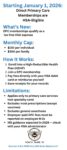
DPC is a monthly membership to a doctor’s office.
You pay a flat monthly fee, and in return you usually get:
- nearly unlimited access to your doctor (for most primary care needs)
- longer appointments (often 30–60 minutes, not rushed)
- faster scheduling (often same-day or next-day)
- simple communication, and many offices allow texting
Why DPC is especially helpful if you missed open enrollment
DPC doesn’t run on the insurance billing model—which means the doctor works directly with you. You’re not dealing with the usual red tape that can come with traditional insurance arrangements.
And because DPC practices typically keep smaller patient loads, the experience is often faster, calmer, and more personal.
If you want a practical next step: search “Direct Primary Care near me” and call a few clinics to ask:
- monthly membership cost
- what’s included (visits, messaging, labs, etc.)
- how quickly you can get an appointment
- whether they require a minimum commitment
Step 2: Add protection for the big, expensive stuff (a health share)
DPC is amazing for day-to-day care—but it’s not designed for big events like:
- emergency room visits
- surgery
- hospital stays
- major accidents
That’s where a health share membership can come in.
What is a health share?
A health share is a nonprofit, membership-based community where members contribute monthly, and the community shares eligible large medical expenses based on published guidelines.
Important: a health share is not health insurance. It’s a different model entirely.
How it works in plain English
Most health shares have a “member responsibility” amount first—often called an Initial Unshareable Amount (IUA) or Member Responsibility Amount (MRA).
That means:
- You choose your IUA/MRA when you join
- If a big medical need happens, you pay your IUA/MRA amount first (for eligible needs)
- After that, the community shares eligible amounts according to the guidelines
Why a health share can be a great option after open enrollment
If you missed open enrollment, a health share can be appealing because many are:
- available year-round (not limited to open enrollment)
- month-to-month (helpful if you just need something in place for a season of life)
- designed mainly for unexpected, larger medical events
This can work especially well for people who are generally healthy and want a safety net for the “what if” moments.
Why DPC + a health share is such a smart pairing
Here’s the simple strategy:
- DPC handles most of your everyday healthcare
- A health share helps with big, unexpected medical bills
It’s a clean, practical setup that many people use:
- temporarily (until next open enrollment) or
- long-term (because they prefer the experience)
And yes—some people even keep DPC even if they later return to a traditional insurance plan, because they love the access and the doctor relationship.
Real member experiences (from the video)
In the video, I read reviews from members who joined a health share because traditional health insurance had become too expensive and frustrating.
A few themes came up repeatedly:
- significant monthly savings compared to their prior plan
- a clear “member responsibility” amount they understood upfront
- a surprisingly simple process when a major medical need happened
- strong support and communication during stressful moments
Before you join: health shares aren’t one-size-fits-all
This matters.
Health shares can be a great option, but they’re not built for every situation. Every program has guidelines, and not every medical expense is eligible for sharing.
A health share is typically a better fit if you:
- are generally healthy
- want a solution outside open enrollment
- want flexibility
- mainly want help with unexpected major medical events
You’ll want to be extra careful if you:
- have complex, ongoing medical needs
- expect frequent specialist care or expensive ongoing treatments
- need a structure that functions exactly like regulated insurance
My free guide (so you don’t have to guess)
If you’re feeling overwhelmed, I made a free guide that explains:
- what health shares are (and what they aren’t)
- how they work
- the most important things to look for
- red flags to avoid
You can grab it on my website and use it as a checklist while you compare options.
Quick recap: what to do if you missed open enrollment
If open enrollment has passed, here’s a simple plan you can start right now:
- Check if you qualify for a Special Enrollment Period
- Join a Direct Primary Care (DPC) membership for everyday care
- Add a health share membership for big, unexpected medical bills
- Read guidelines carefully and pick what fits your situation best
If you have questions, drop them in the comments—I’m happy to help you think through options.
Health shares are not insurance and do not offer insurance coverage. Membership in a health share does not guarantee the payment or reimbursement of medical expenses. Each organization operates under its own membership guidelines, which determine what expenses may be eligible for sharing. This publication is for informational purposes only and is not provided by an insurance company. For state-specific notices and full program details, please visit the respective health share’s official website.



Leave a Reply